


 29/04/2025
AI-Augmented Testing and the Road to Autonomy
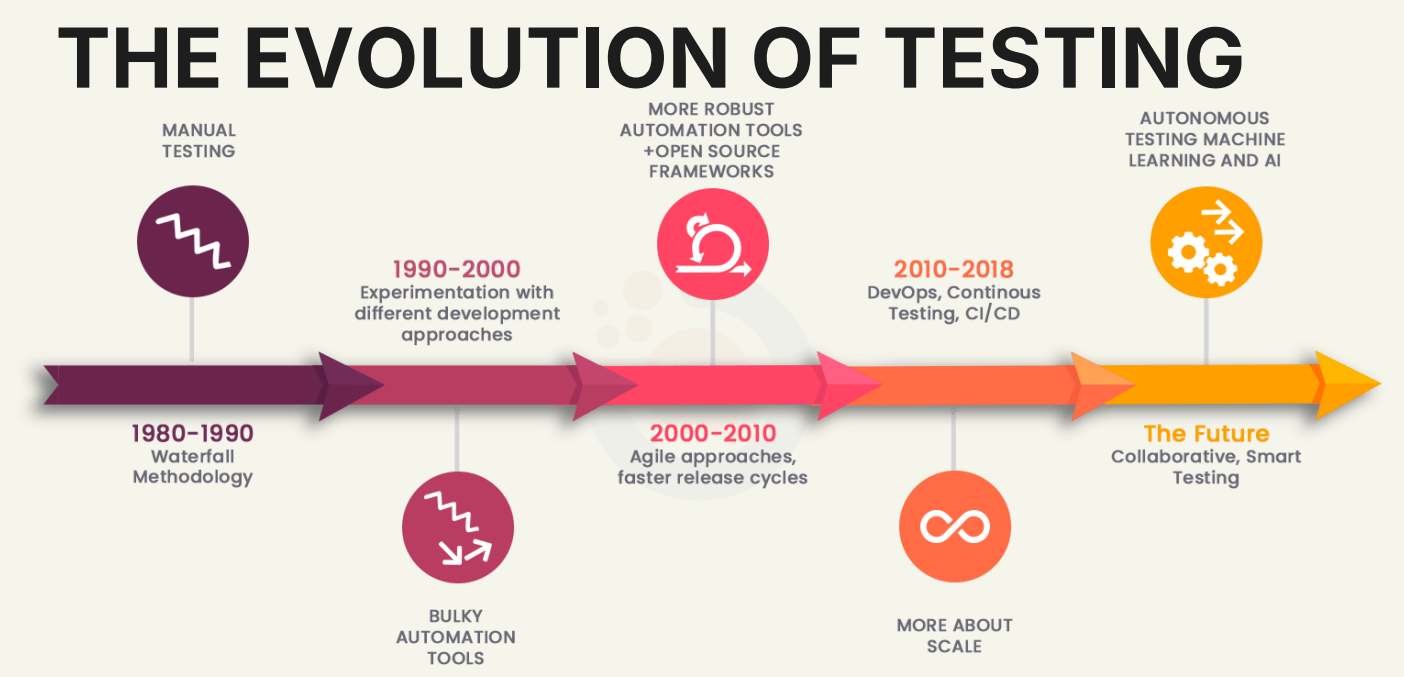
A defining trend at the summit was the shift from rule-based automation to AI-augmented testing environments. Instead of writing brittle scripts prone to breaking with UI changes, modern teams are using AI to build self-healing tests, generate new test cases from past defect data, and prioritize based on predictive analytics. This evolution is further fueled by the emergence of codeless automation frameworks enhanced with AI, which help optimize testing time and significantly boost productivity. At the same time, traditional automation frameworks are also evolving, gradually integrating AI-powered features to stay relevant and competitive. Together, these advancements are paving the way toward autonomous testing, where AI not only assists testers but begins to manage parts of the test lifecycle itself, enabling continuous adaptation and faster delivery.
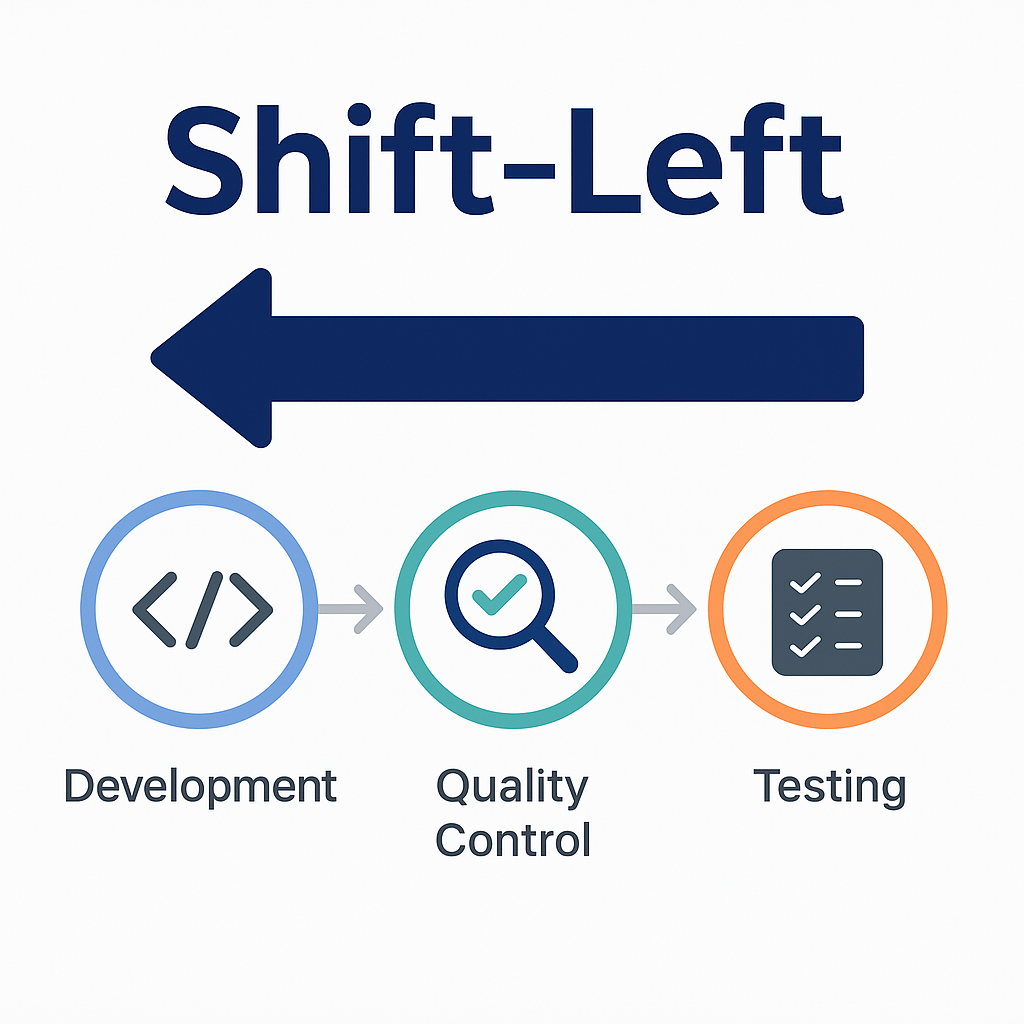
Shift-Left: Catching Bugs Before They Scale
Another dominant theme was shift-left testing—bringing quality checks earlier into the development process. Speakers highlighted that up to 80% of defects can be detected during coding (as shared by Capers Jones in Applied Software Measurement, 1996) if techniques like static code analysis and automated unit testing are adopted. This not only reduces downstream issues but builds a culture of shared responsibility for quality across DevOps teams. Tools such as SonarQube and Parasoft Jtest are making these early-stage practices more accessible and impactful.
Risk-Based Testing: Smarter Coverage, Better ROI
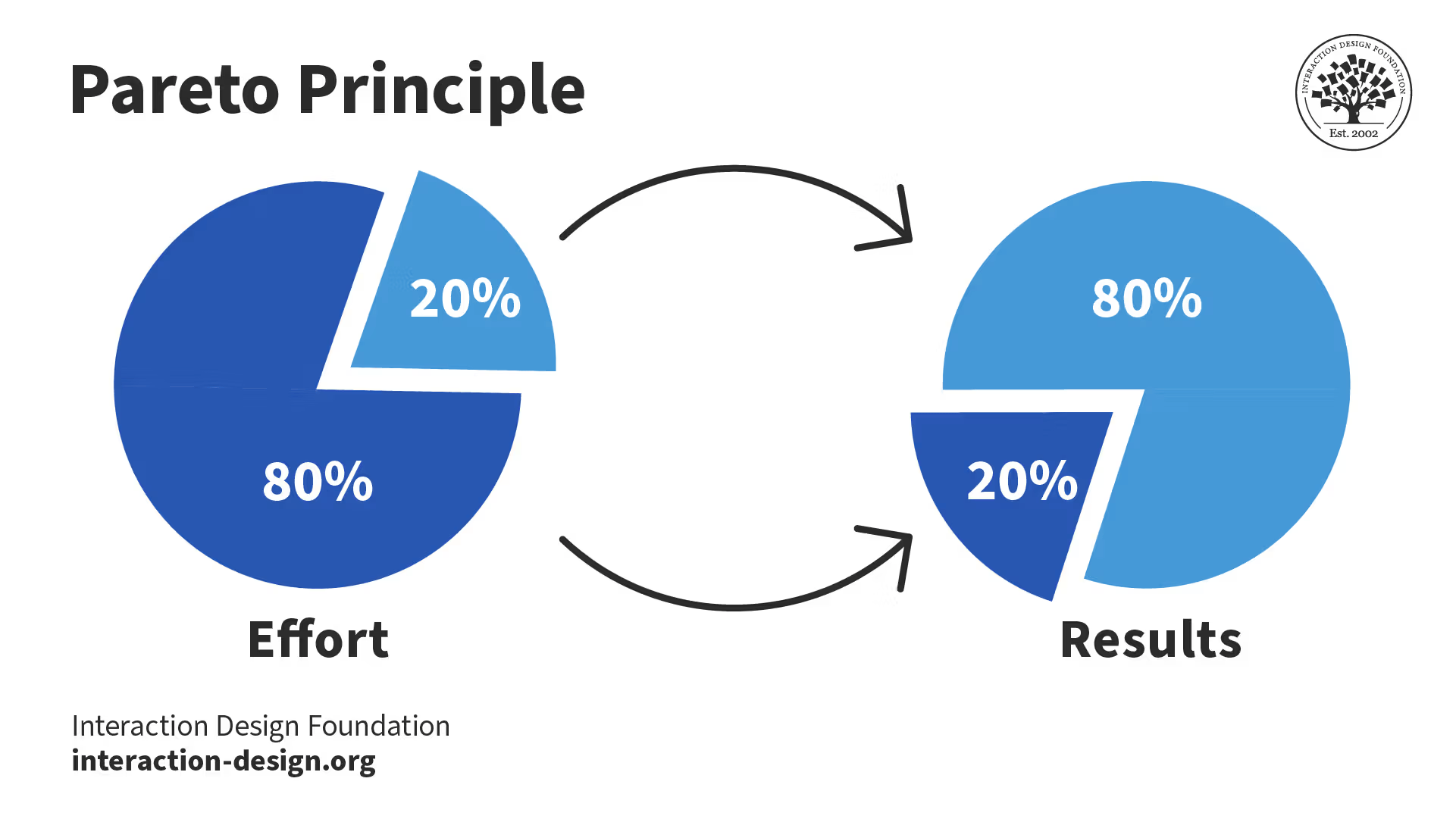
Rather than chasing full test coverage, many teams are now embracing Risk-Based Testing (RBT), a method that focuses efforts where failures would hurt most. Many experts have mentioned large systems often follow the Pareto Principle, where 20% of functions carry 80% of potential risks. By prioritizing automation around those areas, QA teams maximize value while minimizing effort. RBT also shapes tool selection, encouraging organizations to match testing strategies with business-critical components.
Scaling with the Cloud
QA’s Role in Ethical AI
A standout insight from the summit wasn’t technical, it was ethical. As AI is increasingly embedded in decision-making systems, QA has a duty to uncover algorithmic bias and safeguard fairness. In one memorable session, Brynley Scully - CTO, TESCOM Singapore, asked: “If humans aren’t allowed to make biased decisions, why should AI?” His point was clear: testing today isn’t just about functionality—it’s about trust, transparency, and accountability in the age of intelligent software.
_2025-04-29-09-33-01-360.webp)
The Evolving Tester
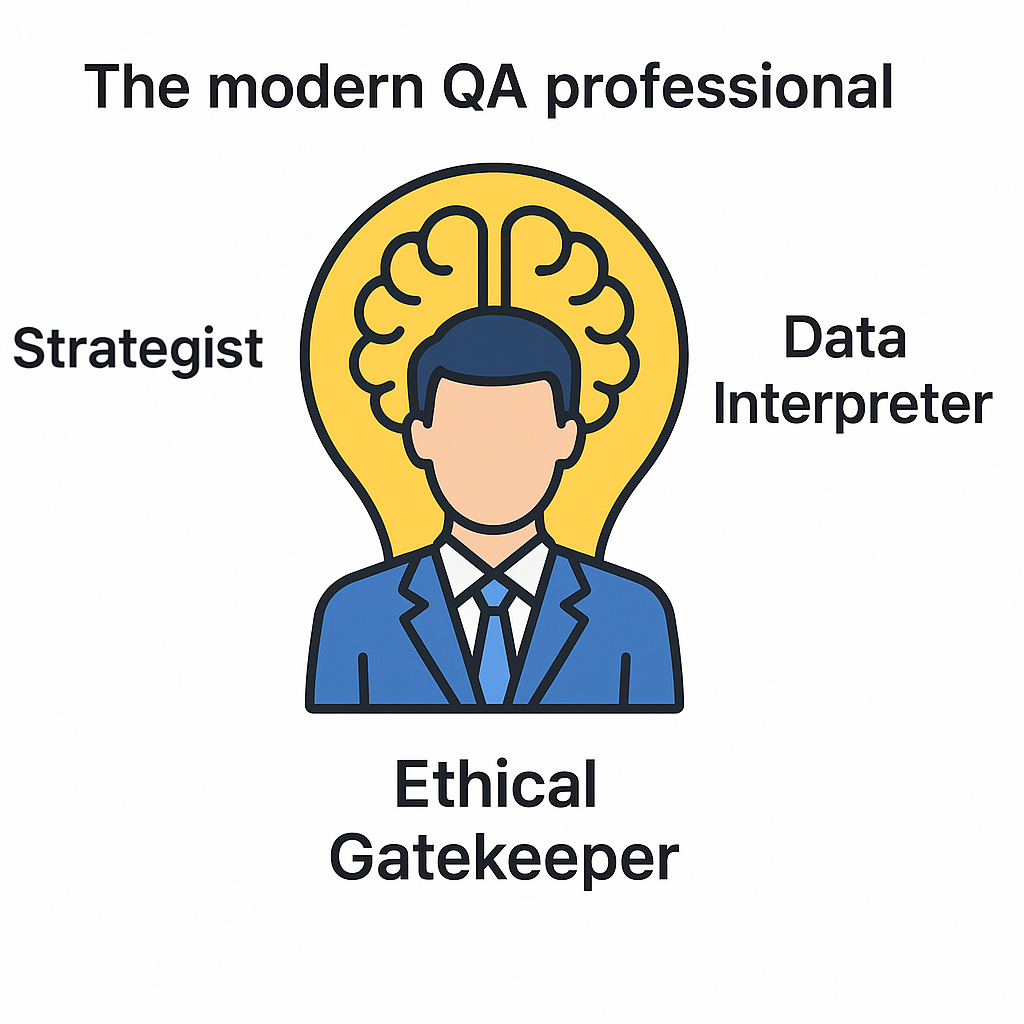
As tools become smarter, so must testers. The modern QA professional is no longer just a script executor but a strategist, data interpreter, and ethical gatekeeper. While AI can handle routine tasks, only human testers can bring context, judgment, and creativity to the table. Future-forward testers will need to design flexible frameworks, collaborate across DevSecOps pipelines, and stay ahead of emerging risks—not only technical, but ethical and organizational.
Conclusion
The future of automation testing lies in intelligence, not just automation. Powered by AI and guided by strategy, QA is no longer a checkpoint at the end of a pipeline—it’s a continuous, adaptive force for quality across the software lifecycle. As shown at Test Automation Summit 2025, the testers of tomorrow are not being replaced by machines—they’re being elevated by them.
TMA Solutions is proud to be a leading player in the automation testing, delivering solutions that consistently align with and adapt to the latest trends.
For more information about our automation testing services and solutions, please visit: Offshore QA Testing & Automation Services

Table Of Content
Start your project today!
Share:


