


 12/05/2025
As global competition intensifies and production complexity rises, manufacturers are rethinking how they operate. Traditional approaches—often dependent on manual processes, isolated systems, and delayed decision-making—are no longer sufficient. The new era of Smart Manufacturing is being shaped by real-time data, automation, artificial intelligence, and cloud-native infrastructure.
In this article, we explore how smart manufacturing delivers tangible business value, what trends are shaping its future, and how TMA Solutions is helping manufacturers turn these technologies into real-world advantage.
What is Smart Manufacturing?
Smart Manufacturing refers to a digitally enabled production environment where systems, equipment, and people are connected in real time. Through integration of technologies like Industrial IoT (IIoT), AI, edge computing, and machine data analytics, manufacturers gain visibility and control over operations at every level—from shop floor to enterprise.
The Fourth Industrial Revolution, also known as Industry 4.0, is fundamentally transforming the manufacturing landscape by enabling smarter, interconnected production systems. Based on insights from Capgemini, smart factory initiatives are expected to contribute up to $1.5 trillion to the global economy by 2023.
Manufacturers that have implemented these initiatives are already reporting significant improvements, including a 12% increase in manufacturing efficiency, a 10% rise in factory output, and an 11% boost in resource efficiency. Moreover, scaling smart factory operations could deliver an additional 20–30% productivity gain and operational cost savings of up to 12% over the next five years.
In addition, 68% of manufacturers rank smart factory initiatives among their top three strategic priorities, and 60% expect to achieve a positive ROI within three years.
How Smart Manufacturing Delivers Business Value
Modern manufacturers face increasing pressure to operate more efficiently, reduce errors, and respond faster to market changes. Smart manufacturing empowers factories to do this by integrating real-time data, automation, and intelligent control into daily operations.
A high-impact area is product quality assurance. TMA applied AI-based defect detection in flexible printed circuit board (FPCB) production. Their deep learning-based model identifies surface scratches or misalignments in real time, improving product quality.

Simulation technologies are also reshaping how manufacturers approach process design. TMA offers 3D mechanical engineering simulation tools to verify CAD/CAM designs before physical production.
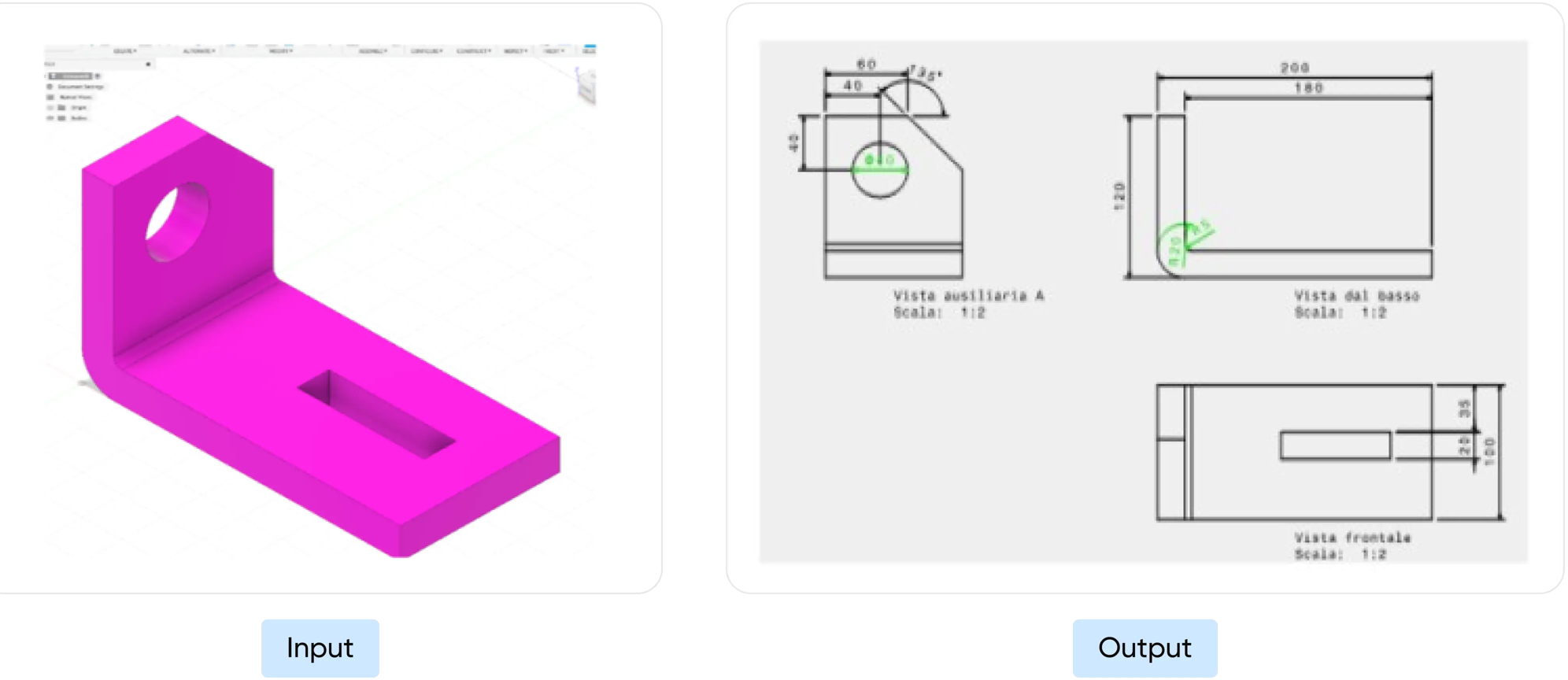
Addressing Safety and Sustainability
Smart factories must also ensure workplace safety and environmental responsibility. TMA’s electricity monitoring solution monitors, reports, warns and forecast electricity for the power system.
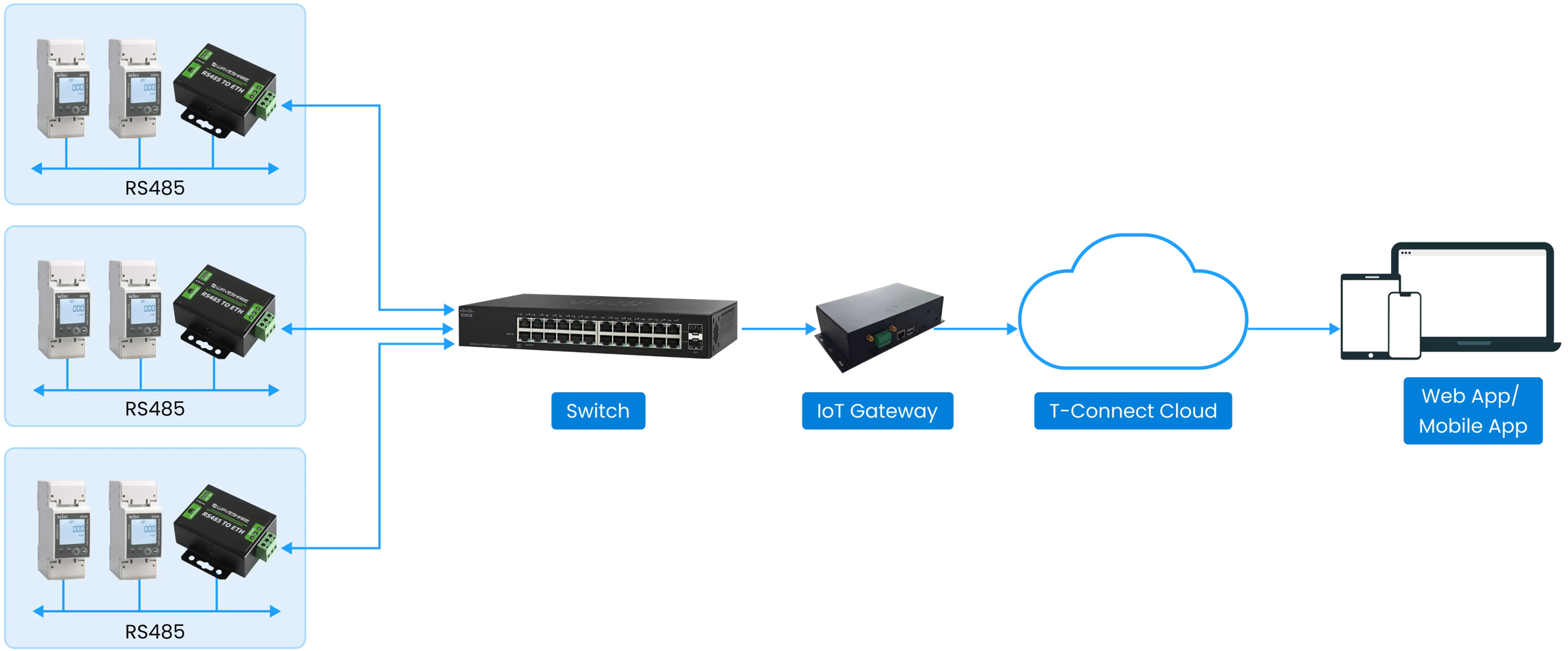
Looking Ahead: AI and Human-Centered Automation
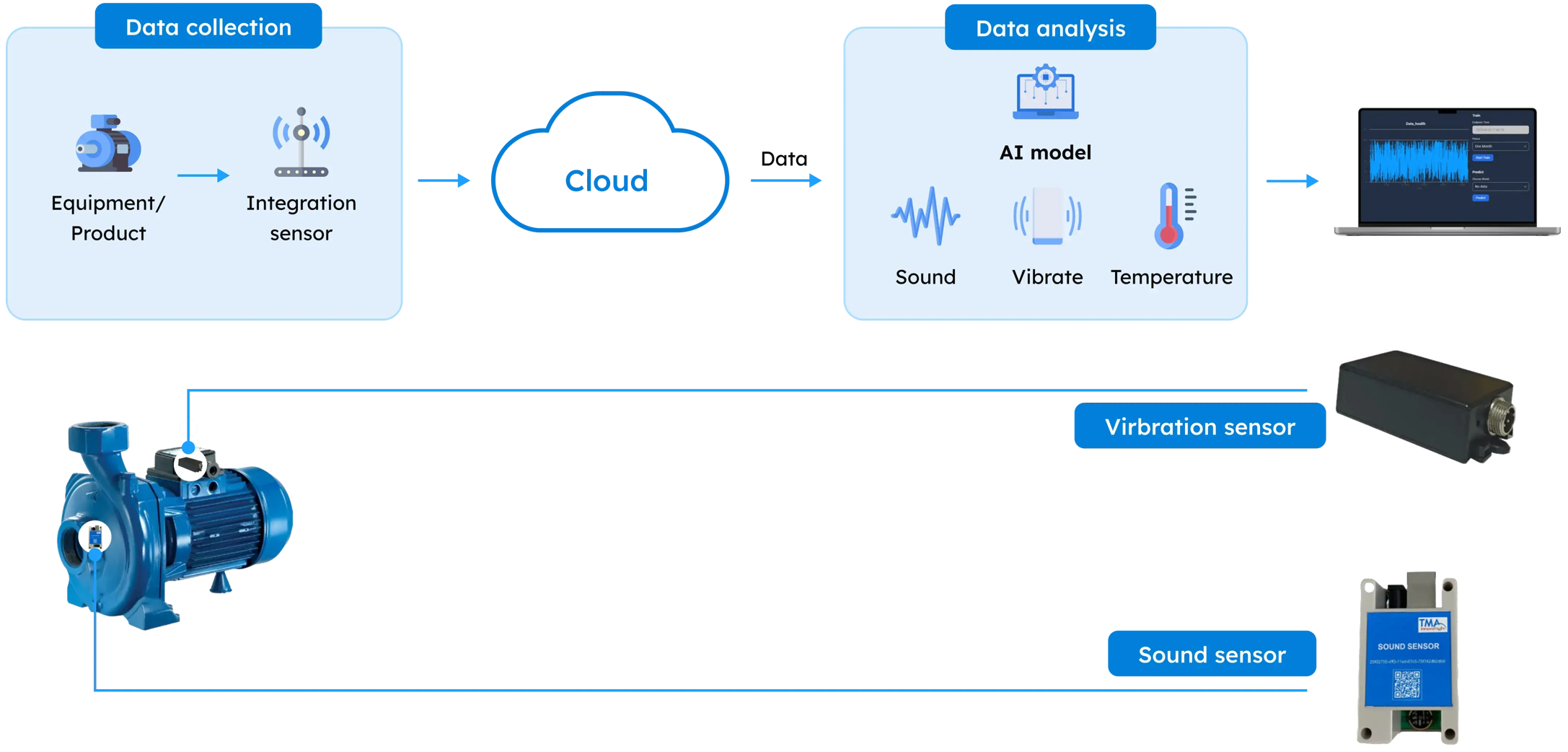
The future of smart manufacturing combines automation with human creativity. Technologies like edge computing, 5G, and AI will drive real-time responsiveness, while human operators oversee strategy and exception handling. TMA’s AI Solutions division already provides custom models for predictive maintenance, demand forecasting, and MES/ERP integration.
Smart manufacturing technologies such as IoT, AI, and advanced robotics are shaping the future of industrial production by enabling greater flexibility, sustainability, and resilience.
Smart factories represent a leap forward from traditional automation, offering connected, flexible, and self-optimizing environments that can respond in real time to changing conditions and client demands.
Closing Thoughts
About TMA Solutions
Established in 1997, TMA is one of the leading software outsourcing companies in Vietnam, well known for our exceptional technology solutions. With 28 years of experience, we take pride in delivering high-quality software development services worldwide.

Table Of Content
Start your project today!
Share:


